Skip to content
kalyanimajumdar.com
About
Features
Art
Art Couture
Earthy innovation
MANY HANDS, MANY FORMS – KUMARTULI
An anthology on women in Indian photography
View all Art articles →
City
Bangalore: Exploring the multi-layered history of the city
Of bodies, armour and cages
Art Deco: The Mumbai connection
Haunting Notes from Mumbai
View all City articles →
Architecture
Sense and Sensibility
Discussing Indian Cities
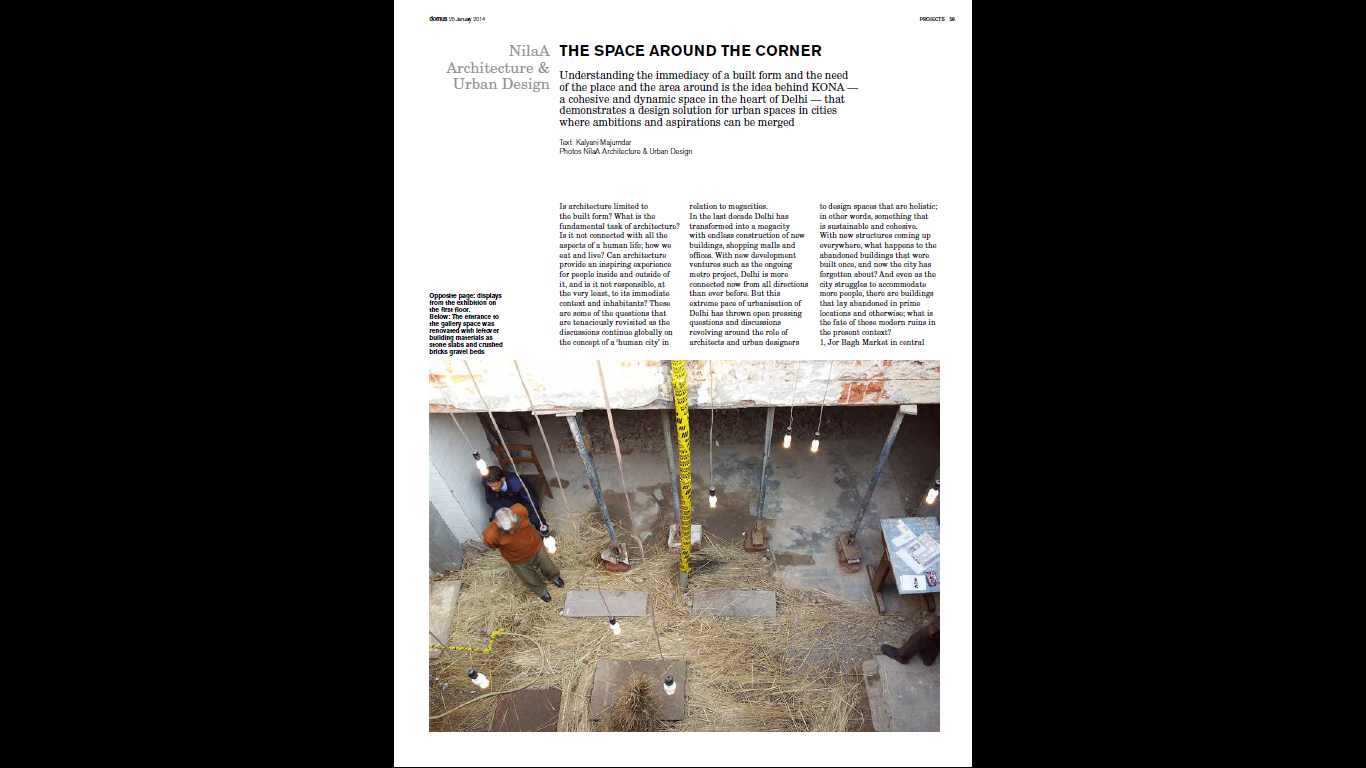
THE SPACE AROUND THE CORNER
Art of Living
View all Architecture articles →
Beverage
Emerald Haze
A cooperage dynasty
The unaged liquor in a bottle
The ‘spirit’ of America
View all Beverage articles →
History
Emerald Haze
A cooperage dynasty
MANY HANDS, MANY FORMS – KUMARTULI
An anthology on women in Indian photography
View all History articles →
Culture
MANY HANDS, MANY FORMS – KUMARTULI
World Radio Day
Remembering the great Indian bard
Of bodies, armour and cages
View all Culture articles →
Travel
Six must-do activities in Kolkata
MANY HANDS, MANY FORMS – KUMARTULI
Why Oise in Northern France is a Revelation
View all Travel articles →
Lifestyle
Six V-day Flicks
Fashionista Diaries
Yoga shows the way
View all Lifestyle articles →
Book Reviews
2020 World of War: Review
Strangers No More: New Narratives from India’s Northeast by Sanjoy Hazarika- Review
Across the Universe: The Beatles in India by Ajoy Bose- Review
Done: The Billion Dollar Deals and How They’re Changing Our World-Review
View all Book Reviews articles →
My Books
The Peepal, The Girl, and The City
Moriko and Her Magic Locks: Believe in Yourself
Projects
Heritage
Art
Heritage Walks
Wellness
Yoga
Dance and Movement
Strength Training
Music
Diary
Say Hello
Category:
Urban Planning
Discussing Indian Cities
August 9, 2020
THE SPACE AROUND THE CORNER
August 3, 2020