Tag: himalaya

  • Starry Starry Nights in Lossar village in Spiti.

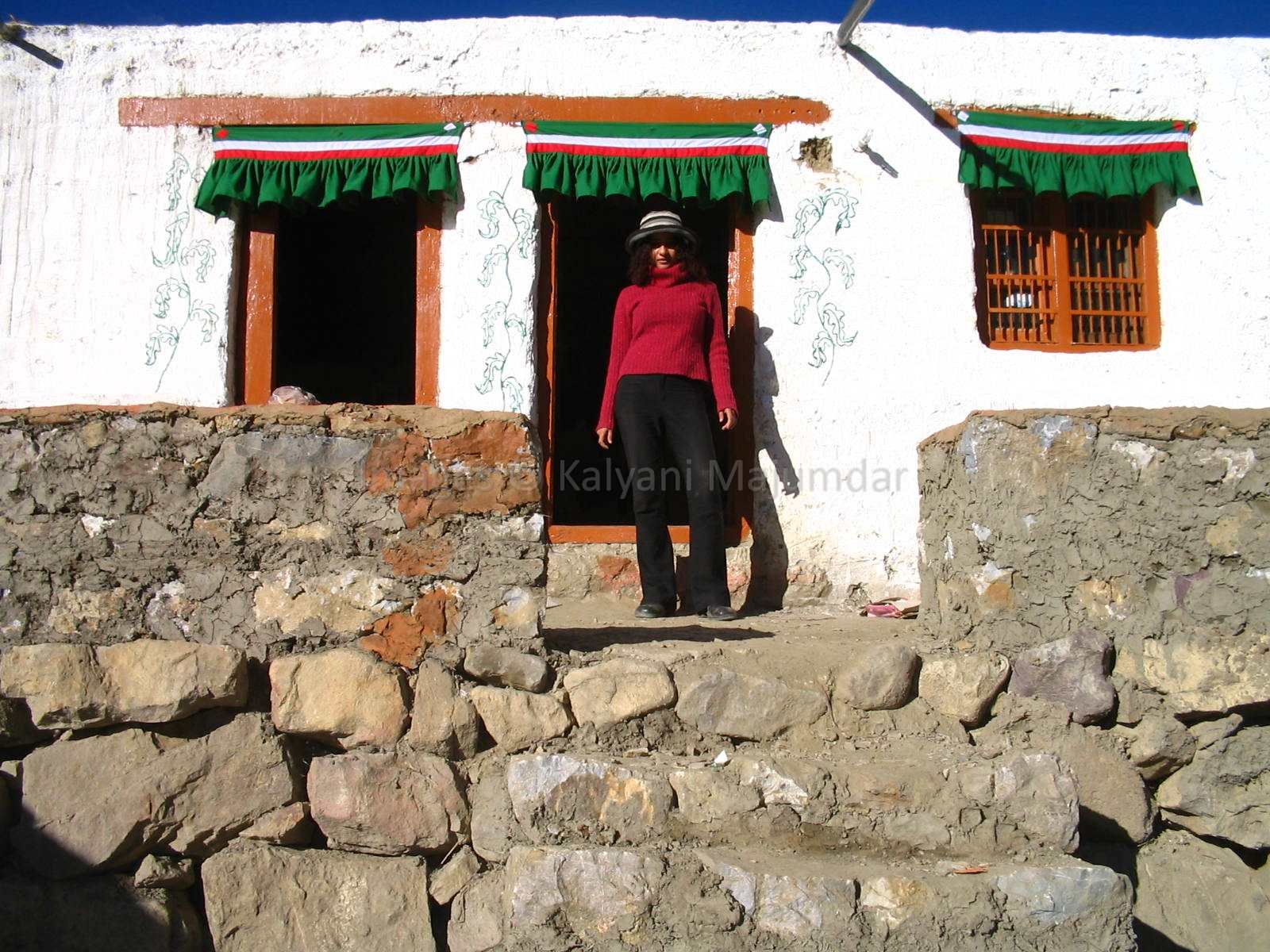
    I was part of a Heritage project in Lossar village in Spiti. It is at an altitude of 13,402 feet and is the first village in Spiti after crossing Kunzhum Pass.

    By Kalyani Majumdar

    A view of the Lossar Village. Photo clicked by Kalyani Majumdar

    On the day when I arrived to Lossar village in Spiti Valley of the Lahaul and Spiti district, it was not an ordinary day. Someone had died in the village, so there was a general quietness in the already quite and remote village. Lossar also has the check post where the Indian Army checks your passport. When I had arrived I had no idea what adventures and beauty awaited in the village.

    The Manali and the upper regions were going through a dry spell throughout July 2004 but then in the first week of August 2004 all hell broke loose when torrential rains brought along with it flash floods which washed away Kothi bailey bridge, Kothi is around 13 km north of Manali on the Manali-Leh highway. How exactly the people of Spiti were affected? Well, Spiti was already remote, but the landslides made it a valley disconnected from the rest of the civilization for sometime — I am not being a tad bit dramatic when I say that we were cutoff from the rest of the world. (In the following posts I will try to describe the region and the situation more graphically).

    So, the flash floods brought along a huge quantity of debris consisting of old trees left-over timber and large boulders, which completely destroyed this bridge. Just sometime back the Shimla-Spiti circuit had been affected due to a massive landslide at the Malling Nullah making movements from Shimla to Spiti difficult. (This itself has a very interesting story that I will tell in the part 2 of this post).

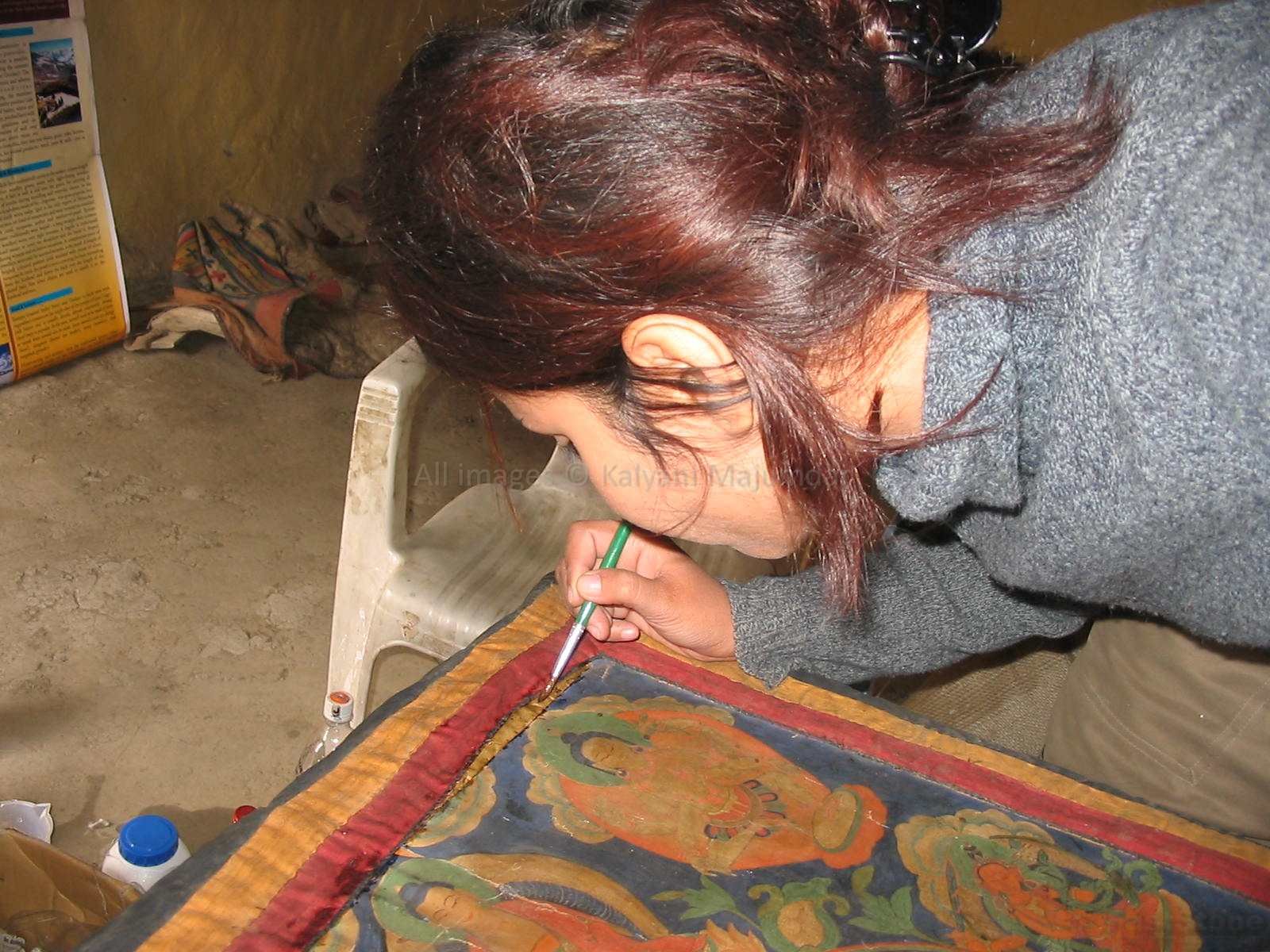
    I was there to refurbish the Rural Museum at Lossar and its interior along with some conservation work on the manuscripts and Thangkas (Buddhist religious paintings done on silk or cotton).

    Top left: I am cleaning a Thangka painting; Top right: An old manuscript; Right: My fellow team member Jeremie helping me refurbish the rural museum; Bottom: A view of the Lossar rural museum

    Let me remind you, this was also the 2004-2005 when in Himachal Pradesh only BSNL mobile network worked and that too not in the remote areas of Spiti and Lahaul. So, we had to travel all the way to Kaza to make a phone call from a paid booth there were only two booths and there were times when I remember we used to get a ride all the way to Kaza but then the phone lines would be down so an absolute waste of all the travel and an entire day. Yes, such were those places. We had to stay in these places for 3 to 5 months at a stretch till the projects were over and then come down to our head office in Gurgaon. So, we were accustomed to this local lifestyle. Everybody in the village knew us.

    Alongside the heritage project, we were also having a massive Alternative Energy project going on and the Pragya team were to set up a windmill that would produce 6.1 KW of energy, enough to run a primary health centre, a women’s weaving community centre, a rural library and the rural museum. The parts of the windmill were also stuck due to the landslides. How the entire windmill was brought up to Lossar itself makes an interesting story in itself.

    Witnessing a rainbow. Photo by Kalyani Majumdar

    Remote areas such as Lossar had a lack of power supply and due to this zero power supply the night sky at Lossar was the clearest at an altitude of 13,402 feet above sea level, the air was clear and without light pollution it was a magnificent view. You could spot all the constellations so clear with your naked eyes. I remember after the windmill was installed I often used to sit under the solar panels on the roof to protect myself from the strong wind and stare up at the sky and enjoy the silence and the stillness of the night that only a place like Lossar could provide.

    Then one morning I even had the opportunity of seeing a perfect rainbow (left).

    When I look back to these moments, I can only feel fortunate to have been given such work opportunities that made me spend such long times in these places.

    Well the story does not end here. I will publish the second part of this story that will talk about the certain rituals that the villagers follow regarding the dead and more about what happened when the landslides secluded us from the rest of the valley.

    I want to thank: Gargi Banerji (Founder-Director, Pragya) and Sunil Pillai (Director, Pragya).
    The Pragya Team members: Mala, Bhaskar Reddy, Sourav Roy Choudhuri, Jeremie Robert, Anurag Mishra