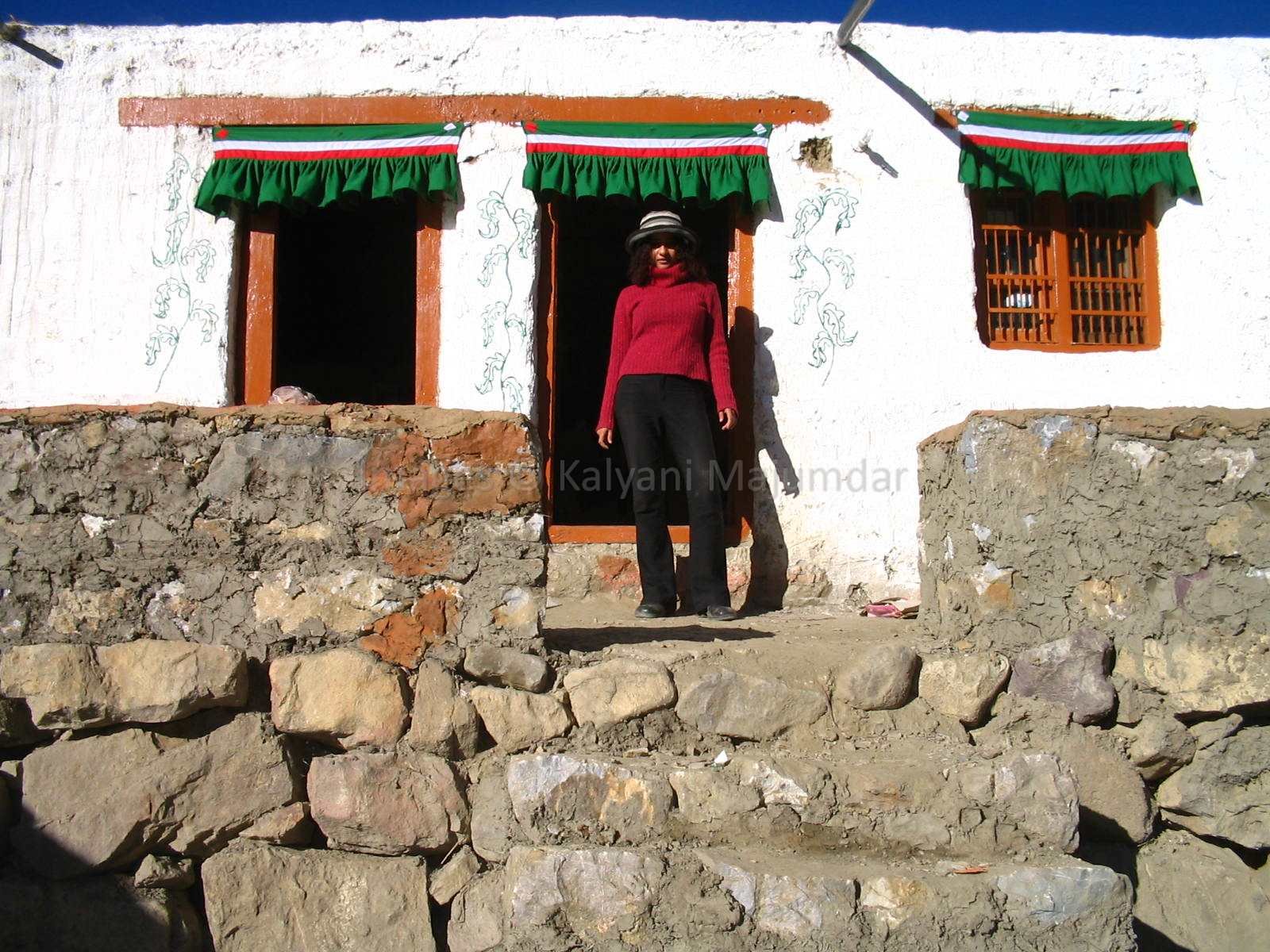
I worked on a Heritage project in Lossar village in Spiti. It is at an altitude of 13,402 feet and is the first village in Spiti after crossing Kunzum Pass.
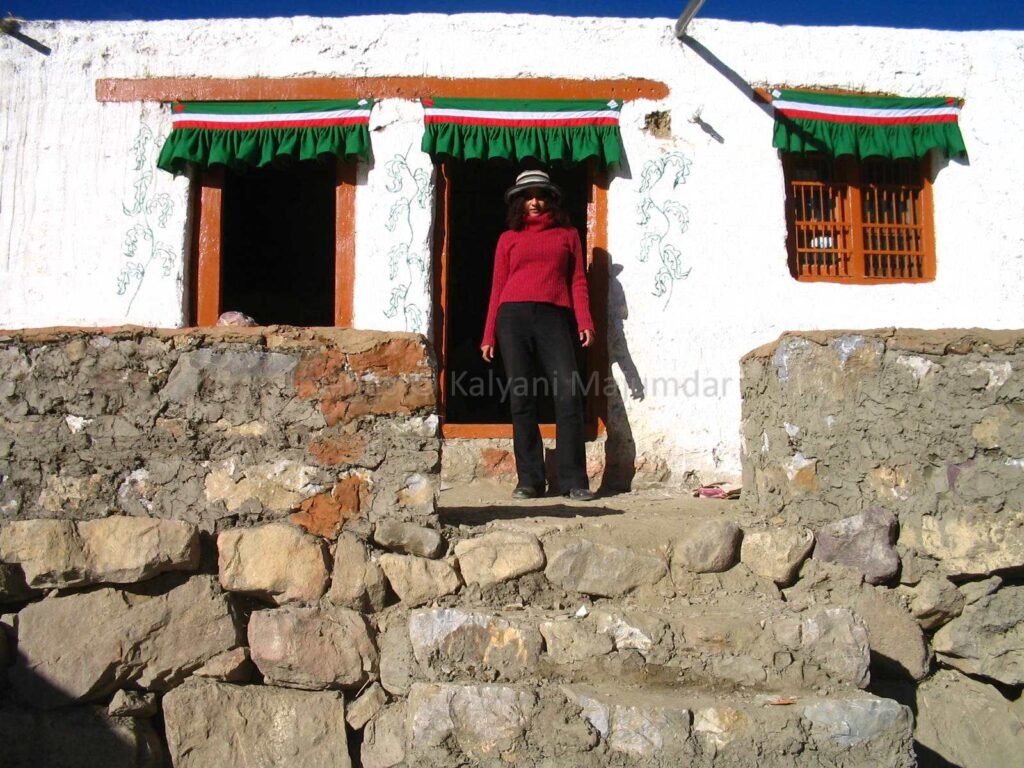
By Kalyani Majumdar; Heritage Project
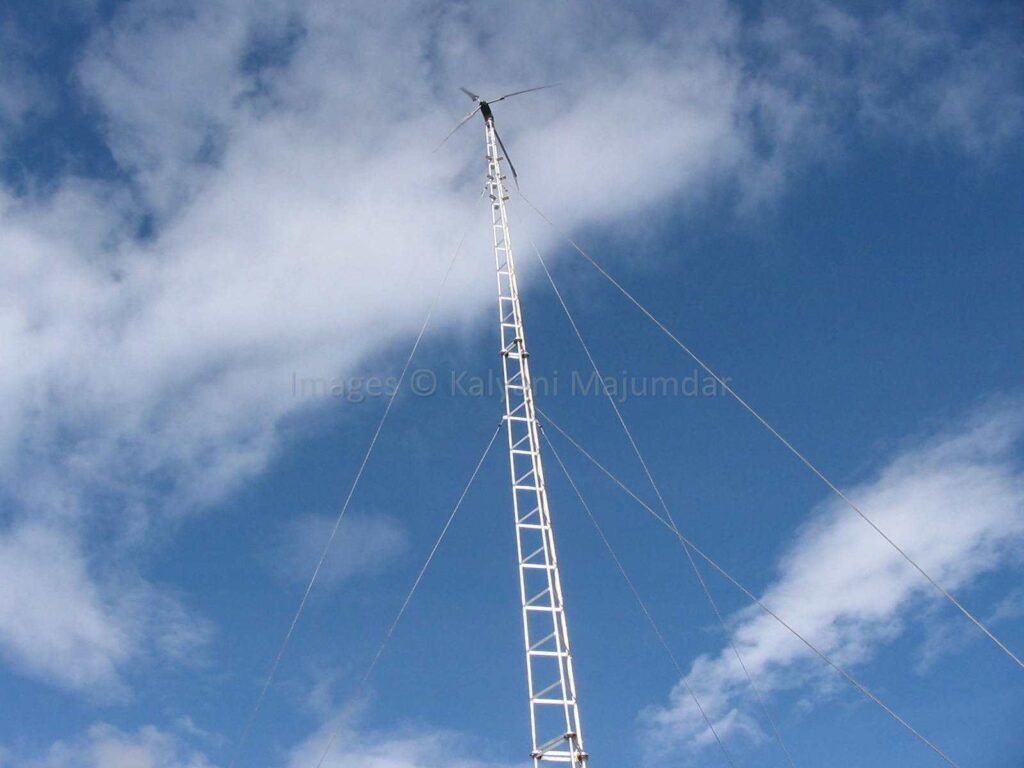
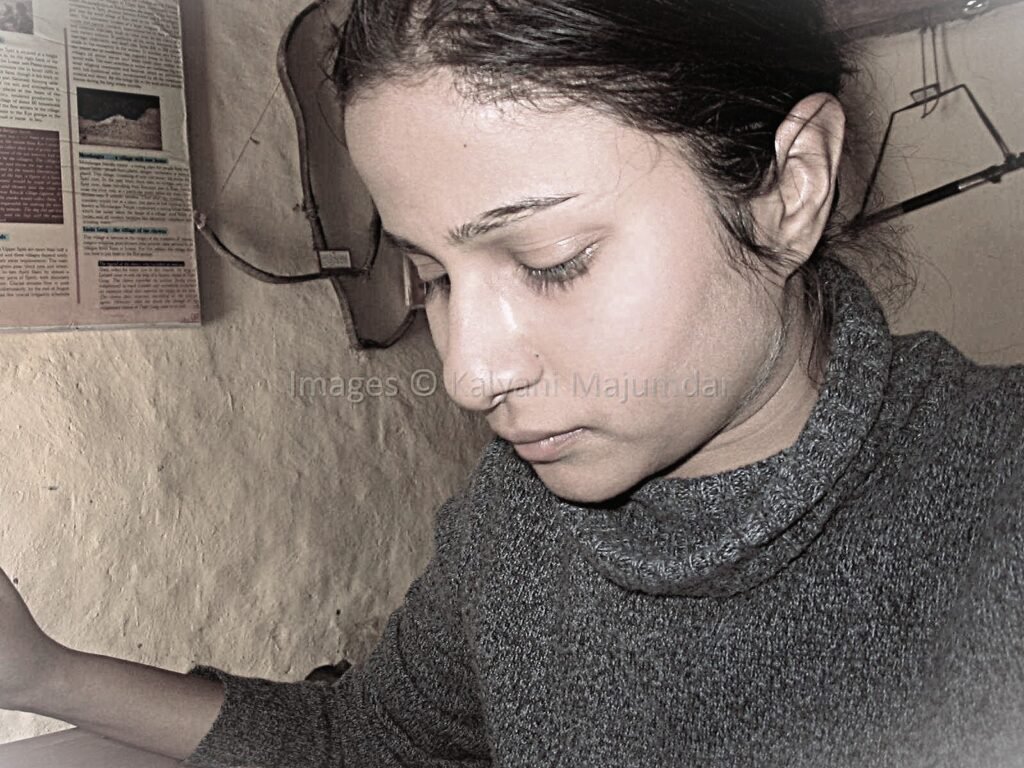
The day I reached Lossar village in the Spiti Valley, it was anything but ordinary. Someone in the village had passed away, so the already quiet, remote place felt even quieter. Lossar has a check post where the Indian Army checks passports. When I got there, I had no idea what adventures and beauty awaited me.
Here’s how I found myself in Spiti.
This was my first job after finishing my Master’s. I worked for a development organization called Pragya, which ran projects only in the high Himalayan regions, above 10,000 feet. I still remember hearing about them in my final year. I loved the mountains and trekking, and I was tough. They wanted passionate people with a background in heritage conservation. After a month of tough interviews, I was thrilled to be selected.
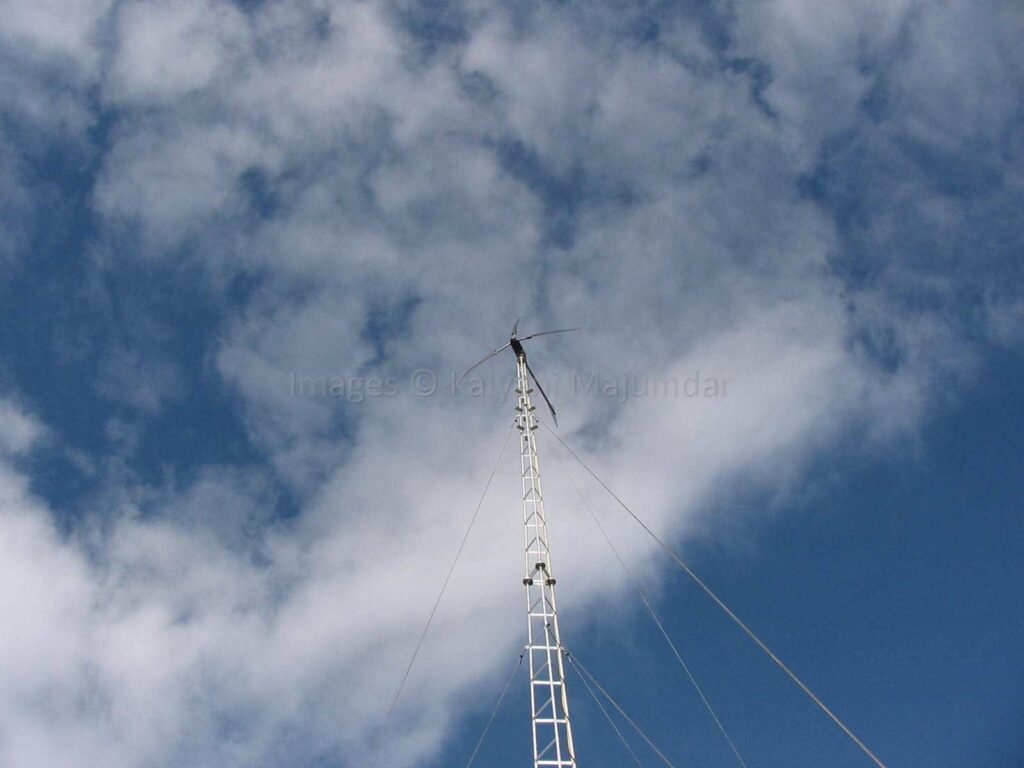
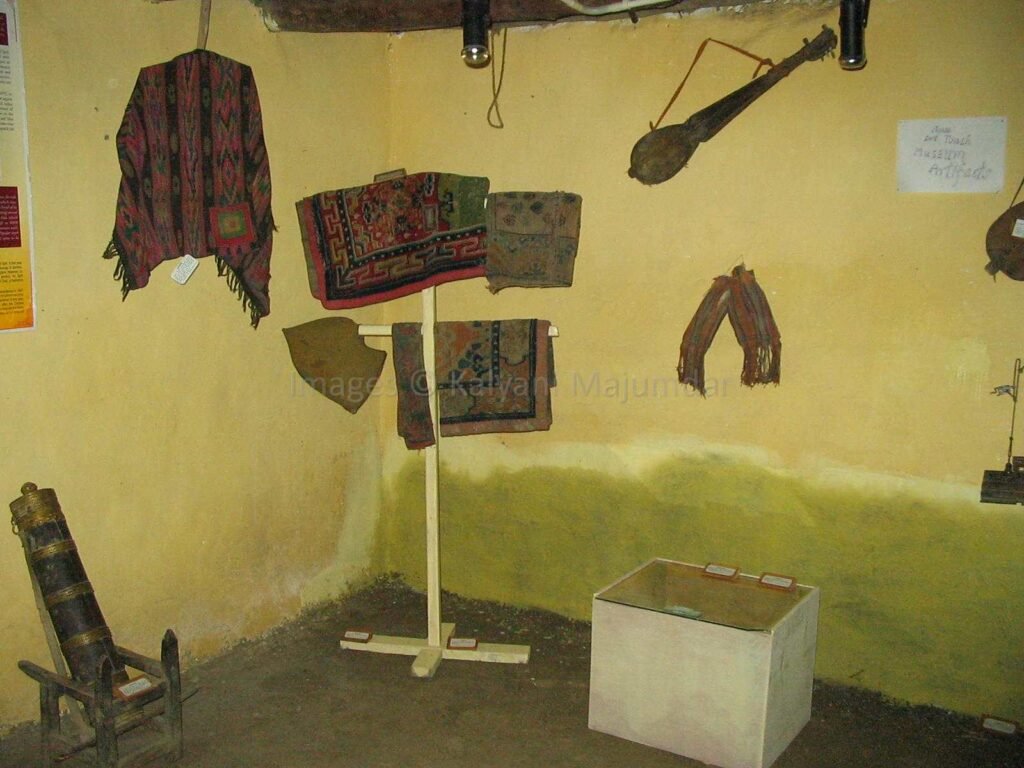
Lossar, Spiti: Rural Museum and Energy Project
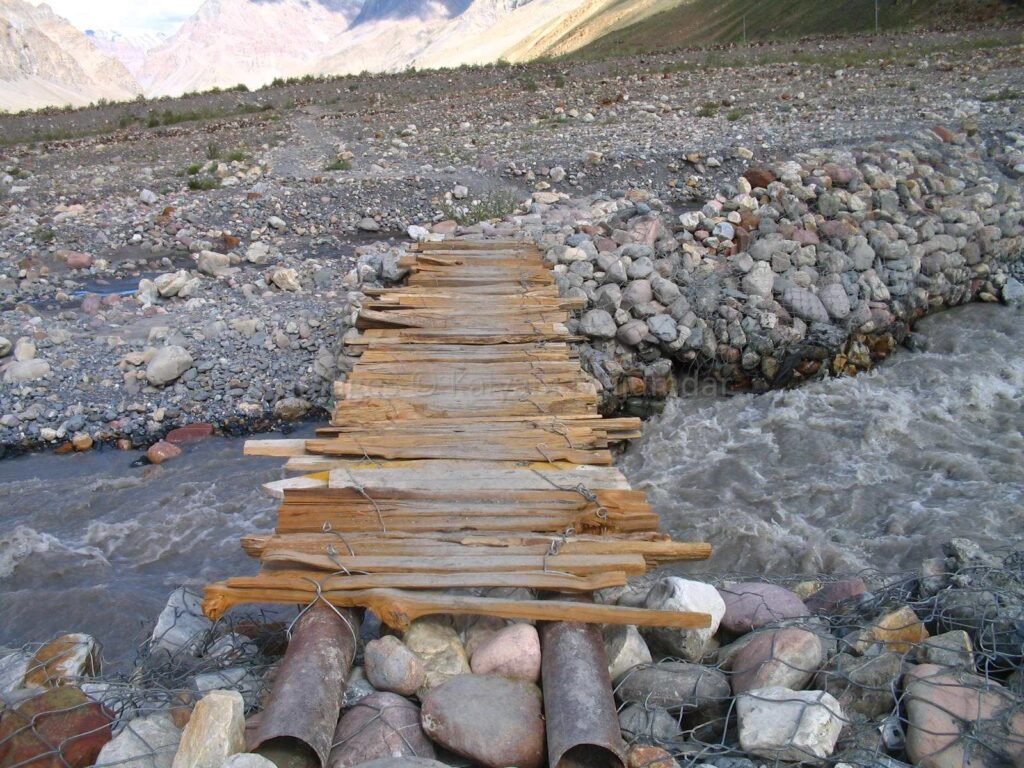
Manali and the upper regions had a dry spell through July 2004, but in the first week of August, heavy rains caused flash floods that washed away the Kothi Bailey Bridge. Kothi is about 13 km north of Manali on the Manali-Leh highway. How did this affect people in Spiti? Spiti was already remote, but the landslides cut it off from the rest of civilization for a while. We really were isolated from the world. I’ll share more details about the region and the situation in my next posts.
The flash floods carried a huge amount of debris, including old trees, leftover timber, and large boulders, which destroyed the bridge. More recently, a massive landslide at the Malling Nullah affected the Shimla-Spiti route, making travel from Shimla to Spiti difficult. That story is interesting on its own, and I’ll share it in part 2 of this post.
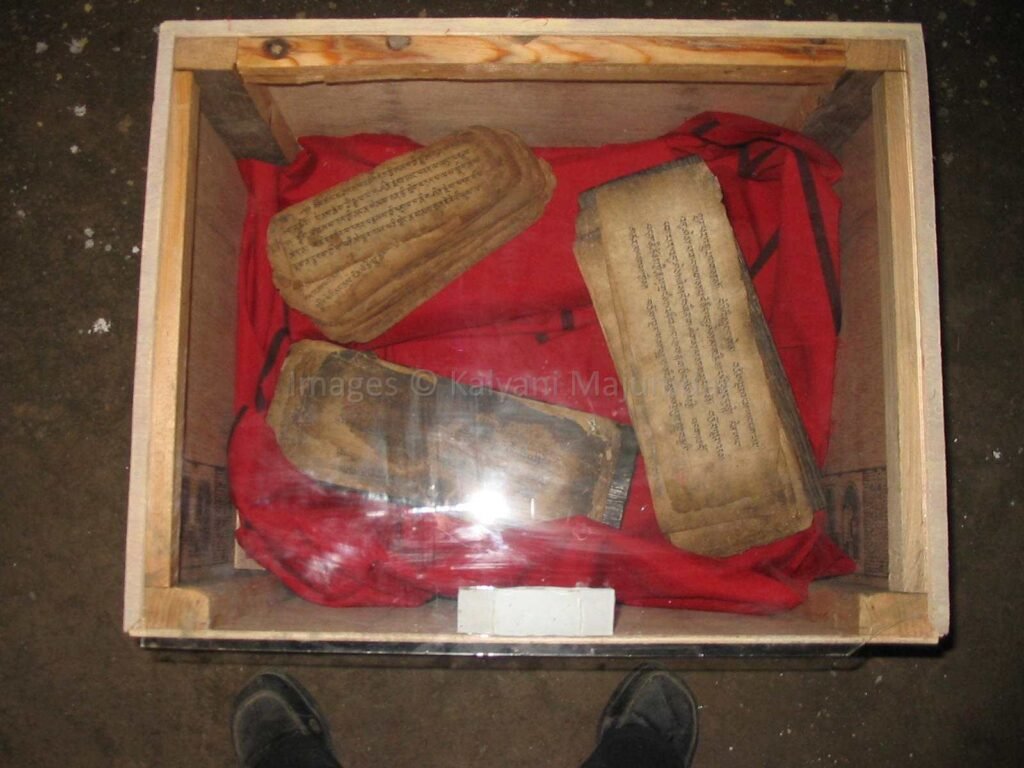
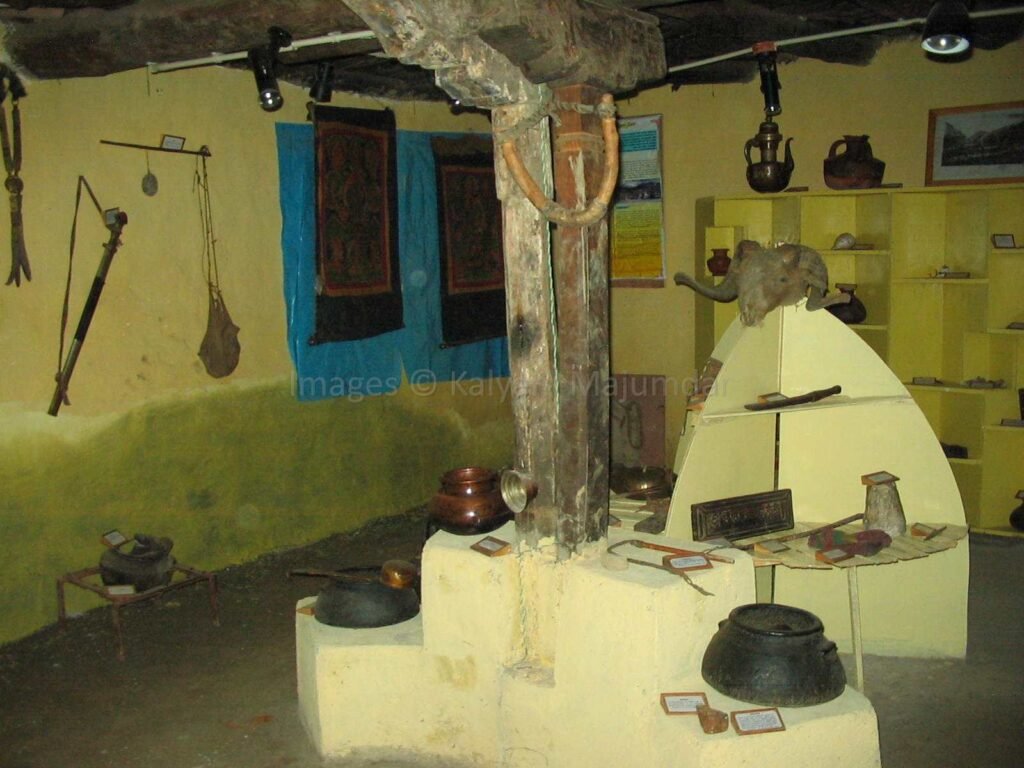
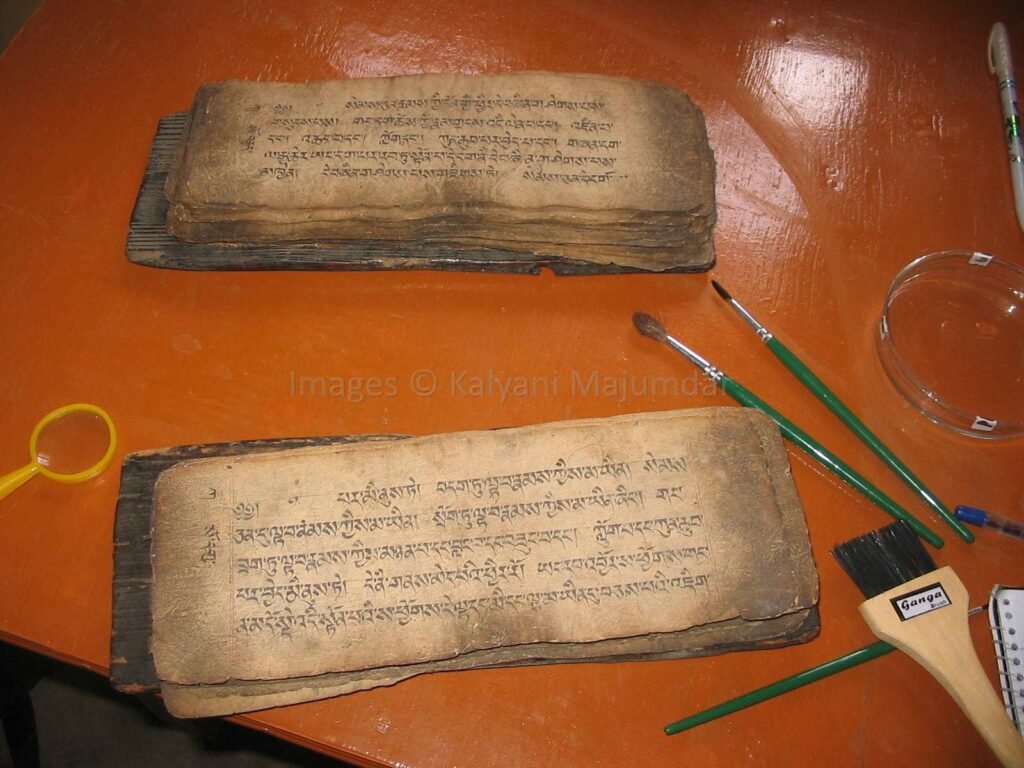
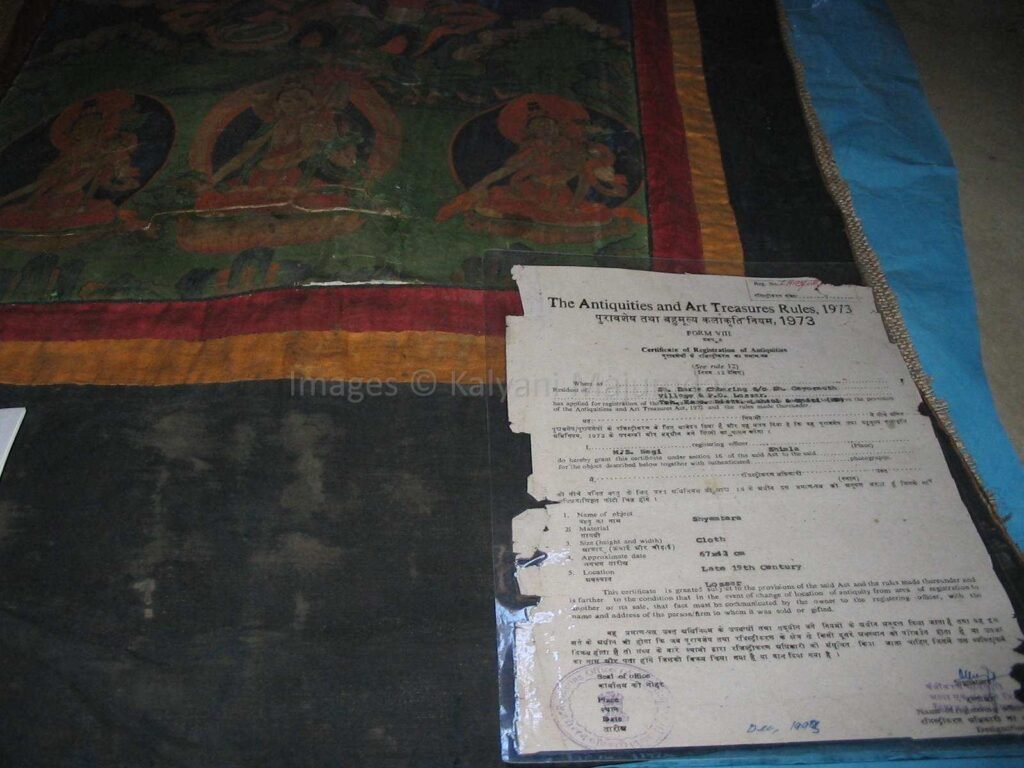
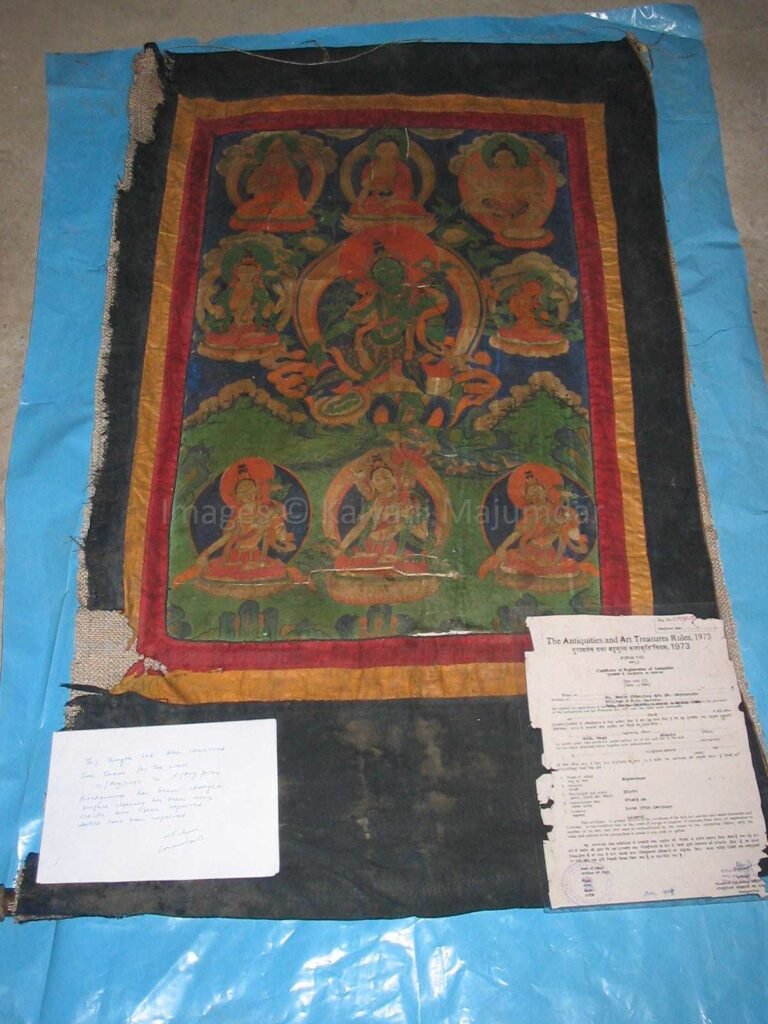
I was there to refurbish the Rural Museum at Lossar and its interior, and to conserve manuscripts and Thangkas, Buddhist religious paintings on silk or cotton.
The landslide and its impact
The landslide cut Spiti off from the rest of the country. Phone lines in Kaza were down, BSNL mobile services didn’t work, and we had only the food that usually came from Manali. We had plenty of peas and potatoes, which are the local cash crops. For a month, we ate only peas and potatoes, completely isolated from the world, but we kept working. Back in Delhi, my father was very worried because he hadn’t heard from me in over a month.
Finally, one day, a small tempo arrived from Manali with fresh vegetables, fruits, and other supplies. I had never been so happy to see onions and leafy greens. Soon, the phone lines started working again, and my office told me to call home right away because my father had been calling my head office in Gurgaon, Haryana, every day. I spoke to my parents, and they were relieved to hear I was safe. I remember telling my dad not to worry, since even if the whole country was flooded, I was at one of the highest peaks, 14,000 feet above sea level, so I would be fine. We both laughed about it.
Here are some photos from the project.
I want to thank: Gargi Banerji (Founder-Director, Pragya) and Sunil Pillai (Director, Pragya).
The Pragya Team members: Mala, Bhaskar Reddy, Sourav Roy Choudhuri, Jeremie Robert, Anurag Mishra And The people of Lossar Village for their help, guidance and support.
Leave a Reply